
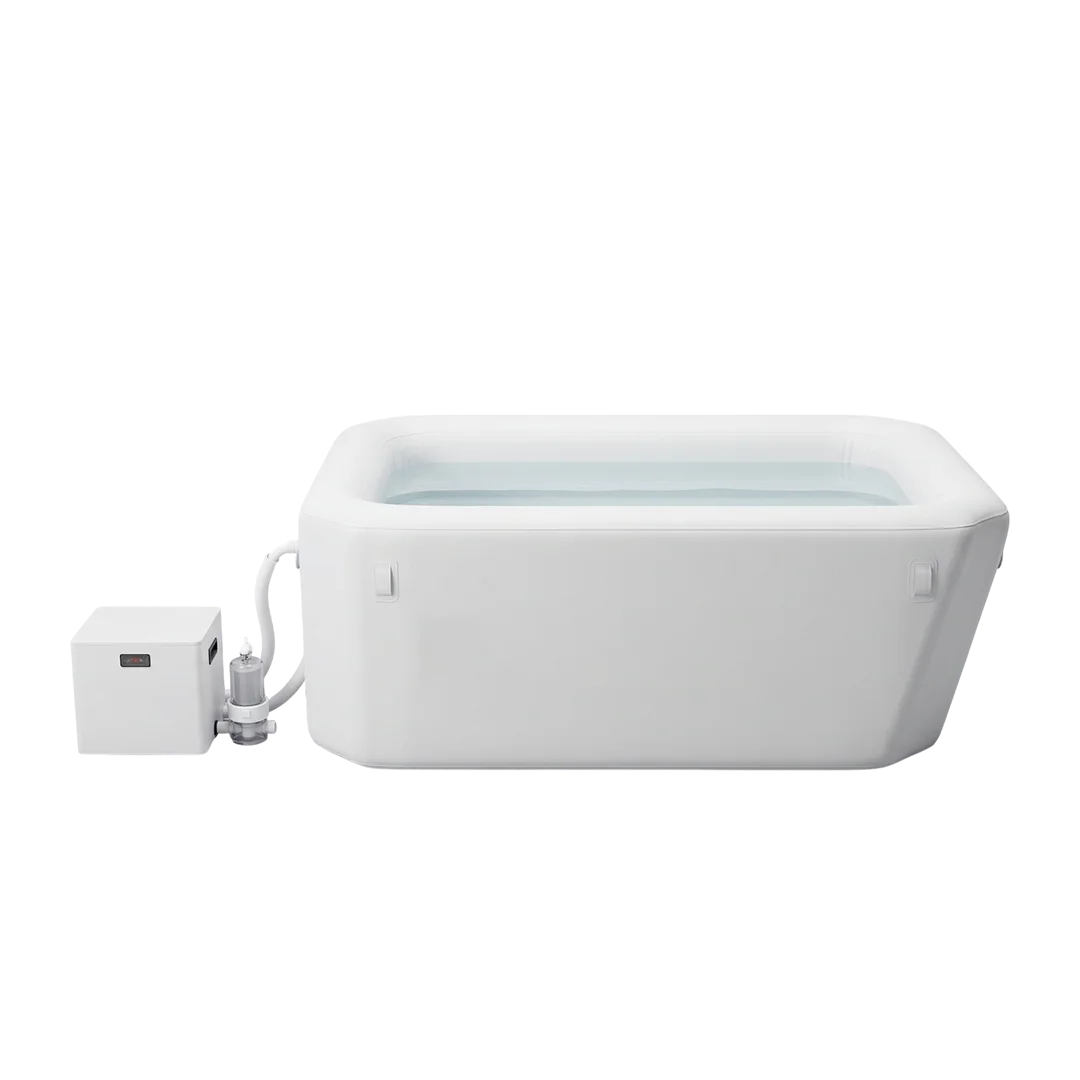
The Psychology Behind Why Ice Baths Feel Impossible at First but Addictive Later
Panic, resistance, and the overwhelming urge to get out immediately sets in, as soon as someone steps their foot on an ice bath tub for the first time. This is a universal reaction of all first-timers. With the cold feeling aggressive, and your breathing becoming uneven, your mind starts negotiating excuses within seconds.
However, over time, you will see that something fascinating is happening. It’s generally noted that individuals who feared cold immersions, gradually start liking it even more. Some go far and label it as the highly rewarding part of their day.
So, what actually changes? You must wonder how a dreaded activity becomes something that you end up craving for. This is completely due to human psychology, body adaptation, emotional conditioning, and the unique relationship between discomfort and reward. If you think that ice baths are merely physical experiences, hold on! They are mental experiences and end up reshaping how your brain responds to stress, discipline, and even recovery.
The Brain Interprets Cold as a Threat
When you enter cold water for the first time, your body’s survival systems are immediately activated. Sudden cold exposure is signaled to be a danger by the brain and this triggers a series of reactions like:
- Faster breathing
- Increased heart rate
- Heightened alertness
- Muscle tension
- A strong desire to escape the situation
Humans are naturally wired to avoid any kind of discomfort, and thus, psychologically this feeling becomes intense. Your brain prefers warmth, predictability, and safety, and ice baths tend to challenge all these aspects simultaneously.
This is why beginners often describe cold immersion as “impossible” during the first few attempts. The discomfort is not just physical. It is deeply psychological.
The mind begins creating resistance before the body even settles into the water.
The First Barrier Is Mental, Not Physical
When a person enters cold water for the first time, the body immediately activates its survival systems. The brain interprets sudden cold exposure as danger.
This triggers several reactions:
- Faster breathing
- Increased heart rate
- Heightened alertness
- Muscle tension
- A strong desire to escape the situation
Psychologically, the experience feels intense because humans are naturally wired to avoid discomfort. The brain prefers warmth, predictability, and safety. Ice baths challenge all three at once.
This is why beginners often describe cold immersion as “impossible” during the first few attempts. The discomfort is not just physical. It is deeply psychological.
The mind begins creating resistance before the body even settles into the water.
The First Barrier Is Mental, Not Physical
One surprising fact about ice baths is that the body often adapts faster than the mind.
Many first-time users believe they cannot tolerate cold water, but after 30 to 60 seconds, the body starts adjusting. Breathing gradually slows. The initial shock decreases. The nervous system begins stabilizing.
The difficult part is convincing the brain to stay long enough for that adjustment to happen.
This creates a powerful psychological lesson. Ice baths teach people that discomfort is often temporary and manageable. Once someone experiences this repeatedly, their relationship with challenge begins changing.
That shift can become deeply motivating.
Why Repetition Changes the Experience
The brain is designed to adapt to repeated exposure. Psychologists refer to this as habituation.
The more frequently a person experiences a stressful stimulus without negative consequences, the less threatening it begins to feel.
With regular ice bath use:
- Anticipatory fear decreases
- Breathing becomes more controlled
- Confidence increases
- Recovery from the initial shock becomes faster
Eventually, the brain stops considering the cold as a major threat.
This does not necessarily make the water feel “warm,” but it changes how the experience is interpreted emotionally. Instead of panic, the user begins associating cold immersion with achievement, mental clarity, and recovery.
That emotional association is where the experience starts becoming addictive.
The Reward System Plays a Major Role
One reason people continue using ice baths is because of the emotional reward afterward.
When the body endures short-term stress and successfully adapts, the brain often responds with feelings of accomplishment and relief. Many users report feeling:
- Energized
- Focused
- Refreshed
- Mentally clear
- Proud of themselves
This creates a strong psychological feedback loop.
The sequence looks like this:
- Anticipation and resistance
- Entering discomfort
- Adapting to the cold
- Completing the session
- Feeling accomplished afterward
The brain begins connecting the uncomfortable experience with a rewarding emotional outcome.
Over time, people stop focusing only on the discomfort and start chasing the feeling that comes afterward.
Ice Baths Create a Sense of Control
Modern life often feels mentally overwhelming. Many people spend their days reacting to notifications, deadlines, and external pressures. Ice baths introduce a completely different dynamic.
Cold immersion forces intentional focus.
The moment someone enters cold water, distractions disappear. Attention narrows immediately toward breathing, posture, and mental control.
Psychologically, this creates a rare sense of presence.
Many users become attached to ice baths because they offer a daily ritual where they consciously choose discomfort rather than avoiding it. That feeling can increase confidence and mental resilience in other parts of life.
People begin thinking:
“If I can handle this, I can handle other difficult situations too.”
That mindset shift becomes incredibly powerful.
The Role of Dopamine and Anticipation
Part of the addictive feeling linked to ice baths may also come from anticipation and reward behavior.
Humans naturally repeat behaviors connected to positive emotional outcomes. Even though cold immersion starts as unpleasant, the brain remembers the refreshed and accomplished feeling afterward.
This creates an interesting psychological contradiction:
- The mind resists before entering
- The mind appreciates the experience afterward
Eventually, users begin craving the post-session emotional state so strongly that they willingly accept the temporary discomfort required to achieve it.
This pattern appears in many growth-oriented activities, including exercise, endurance training, and meditation.
Community and Identity Strengthen the Habit
Another psychological reason ice baths become addictive is identity formation.
People who regularly practice cold immersion often begin viewing themselves differently. They may identify as:
- Disciplined
- Resilient
- Focused
- Performance-driven
- Mentally strong
This identity reinforcement increases consistency.
Social media and wellness communities also contribute to this effect. People enjoy sharing personal progress, routines, and recovery practices. Seeing others embrace ice baths makes the behavior feel more normalized and motivating.
Once a habit becomes part of someone’s identity, it becomes much easier to maintain.
Why Beginners Often Quit Too Early
Despite the benefits, many people stop after their first few attempts because they never move beyond the initial psychological resistance.
Common beginner mistakes include:
- Staying in water that feels excessively cold
- Entering too quickly without controlled breathing
- Expecting immediate enjoyment
- Comparing themselves to experienced users
- Focusing entirely on discomfort
The early stage of cold immersion is often the hardest because the brain has not yet formed positive associations with the experience.
This is why gradual exposure matters. Short, manageable sessions help build confidence without overwhelming the nervous system.
Over time, the mental barrier becomes significantly smaller.
The Ritual Becomes More Important Than the Cold
Experienced users often discover that ice baths are no longer just about temperature.
The process itself becomes meaningful.
The preparation, controlled breathing, silence, focus, and completion of the session create a structured ritual that many people value emotionally.
Daily rituals can provide stability and mental grounding, especially during stressful periods. Ice baths become a symbolic act of discipline and reset.
For some people, that emotional value becomes stronger than the physical sensation itself.
The Transformation Is Psychological as Much as Physical
The journey from fearing ice baths to craving them is ultimately a story about adaptation.
At first, the brain reacts with alarm because cold water feels unfamiliar and threatening. But through repetition, controlled exposure, and emotional reward, the experience gradually transforms.
What once felt impossible begins feeling empowering.
The discomfort remains real, but the meaning attached to it changes completely.
Instead of viewing the cold as punishment, users begin seeing it as:
- A challenge
- A reset
- A confidence-building ritual
- A moment of control in a busy world
That psychological transformation explains why so many people continue returning to ice baths long after the novelty wears off.
For businesses in the ice bath tub industry, this insight matters because customers are not simply purchasing a product. They are taking part in an experience tied to discipline, recovery, emotional resilience, and personal growth.
And once people experience the emotional rewards connected to cold immersion, many no longer see ice baths as something they “have to do.”
They begin seeing them as something they actually want to do.